
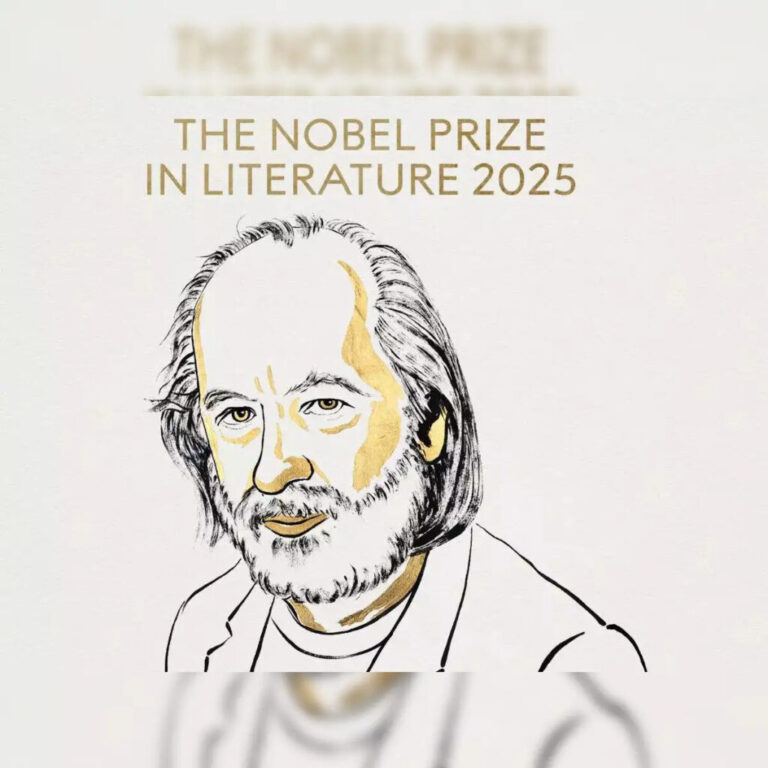
In recent years, Hungary—a relatively small Central European nation—has drawn global literary attention. The country produced a Nobel Prize–winning author in literature, Imre Kertész, and has also been closely associated with global literary recognition through writers such as László Krasznahorkai and David Szalay, whose novel Flesh won the Booker Prize in 2025. These achievements have sparked an interesting question: What is it about Hungarian history and culture that produces literature capable of captivating global audiences and prize committees?
A Civilization Formed at the Crossroads
Hungary’s geographical and historical position has played a crucial role in shaping its literary imagination. Located in Central Europe, Hungary has long been a meeting point of empires, ideologies, and cultures. The region has experienced Ottoman occupation, Habsburg imperial rule, nationalist movements, fascism, and decades of Soviet-backed communism. Such a turbulent history created a society where identity, freedom, and moral responsibility are constantly questioned. Writers emerging from this environment often explore themes of political oppression, existential anxiety, and cultural memory—topics that resonate strongly with modern global audiences.
Trauma as a Source of Literary Depth
Hungarian literature often carries the imprint of historical trauma. Events such as the Treaty of Trianon, the Holocaust, and the crushed Hungarian Revolution of 1956 left deep scars on national consciousness. Writers like Kertész turned these experiences into powerful philosophical reflections on human freedom and moral responsibility. In his Nobel-winning work, Kertész explored the psychological and existential consequences of totalitarianism, demonstrating how literature can transform historical suffering into universal human insight.
The Existential Voice of Contemporary Hungarian Fiction
Modern Hungarian literature continues to explore similar themes. Krasznahorkai’s works, for instance, are known for their haunting depictions of societal decay and the search for meaning in a chaotic world. His prose often moves in long, flowing sentences that mirror the overwhelming nature of modern life. Rather than presenting neat plots, his writing immerses readers in philosophical reflections on time, decay, and the fragility of civilization. This style places Hungarian fiction firmly within the global tradition of existential literature.
The Booker Prize and the Novel Flesh
The 2025 Booker Prize brought renewed attention to Hungarian-linked literary storytelling through David Szalay’s novel Flesh. The book follows the life of István, a working-class Hungarian boy who rises through unpredictable circumstances to wealth and influence. Yet the story is far from a triumphant tale of success. Instead, it portrays a life shaped by accident, physical desire, and emotional detachment. Szalay’s minimalist style—sparse dialogue and restrained psychological commentary—creates a stark portrait of modern masculinity, migration, and social mobility.
Comparing Two Paths of Struggle
The story of István in Flesh can be contrasted with popular cultural narratives of upward mobility in other societies. Consider the dramatic arc of the film Deewaar, starring Amitabh Bachchan and Shashi Kapoor. In that story, a poor boy rises through crime and ambition to challenge a corrupt system. The narrative is heroic, dramatic, and morally polarized. In contrast, István’s journey in Flesh is quieter and more introspective. His struggle is not primarily against external injustice but against loneliness, identity confusion, and the emptiness that can accompany material success.
The Universal Psychology of Orphanhood
Despite cultural differences, one aspect of these narratives remains universal: the psychological impact of childhood insecurity. Whether a child grows up in Budapest or in South Asia, losing parental stability often produces a deep sense of vulnerability and a lifelong search for belonging. Psychologists widely acknowledge that disrupted attachment in early childhood can lead to similar emotional patterns across cultures—hypervigilance, distrust, and a powerful desire for recognition. Yet social environments shape how this trauma unfolds. In societies with strong welfare systems, the struggle may become primarily psychological; in harsher economic environments, it can also involve physical survival.
Literature as a Mirror of Society
Hungarian literature demonstrates how historical experiences influence storytelling. The country’s writers frequently focus on existential questions: the fragility of institutions, the loneliness of modern life, and the moral ambiguity of survival. These themes align closely with the preferences of international literary juries, which often reward works that combine philosophical depth with innovative narrative style.
A Small Nation with a Large Literary Voice
Hungary’s achievements in global literature illustrate how powerful storytelling can emerge from relatively small cultural spaces. The country’s writers draw upon a complex past of political upheaval, cultural crossroads, and philosophical inquiry. Their works remind readers that literature is not merely entertainment—it is a reflection of how societies process memory, trauma, and identity.
In the end, the recognition of Hungarian writers through prestigious awards such as the Nobel Prize and the Booker Prize underscores a broader truth: great literature often grows out of societies that confront difficult questions about history, morality, and the human condition. Hungary’s literary tradition, forged in the tensions of Central European history, continues to offer such profound reflections to readers around the world.